
If you’re in a relationship, you’re bound to have disagreements. It’s simply part of doing life with another person. We’re not all the same, and sometimes, our differences can lead to arguments. In this 5-day devotional, we’re sharing tips on how to “fight fair” and use Biblical truths to navigate conflicts constructively.
FrontGate Media
Day 1
Scriptures: Ephesians 4:15, Ephesians 4:2, Proverbs 18:21

What It Means to “Fight Fair”
Ephesians 4:15
“Instead, speaking the truth in love, we will grow to become in every respect the mature body of him who is the head, that is, Christ.”
Ephesians 4:2
“Be completely humble and gentle; be patient, bearing with one another in love.”
Proverbs 18:21
“The tongue has the power of life and death, and those who love it will eat its fruit.”
If you’re in a relationship, you’re bound to have disagreements. It’s simply part of doing life with another person. We’re not all the same, and sometimes, our differences can lead to arguments.
It’s how we handle these disagreements that can significantly impact the health and longevity of our relationships. We’ve got to learn how to fight fair.
“Fighting fair” means handling disagreements with respect, patience, and love. It’s not about winning an argument but about understanding your partner’s perspective, finding common ground, and resolving issues in a way that strengthens your relationship and honors God.
To fight fair means to…
- Speak the Truth in Love: The Bible urges us to “speak the truth in love” (Ephesians 4:15), implying that even in conflict, love must be our guiding principle. This means being honest without being harsh, ensuring that our words build up rather than break down.
- Practice Patience: Be humble, gentle, and patient (Ephesians 4:2), even when you’re frustrated. Remembering to stay calm can prevent the situation from escalating and help you address the issue more constructively.
- Avoid Hurtful Words: What you say holds so much power (Proverbs 18:21). Choose your words carefully to avoid causing harm. By focusing on the issue at hand and not attacking your partner’s character, you can work toward a resolution together.
No relationship is void of arguments, disagreements, or flat-out fights. But when you fight fair — in a loving, respectful way — it helps you maintain a healthy relationship. It also shows that you can manage difficult situations together, which builds trust and strengthens your relationship.
Remember, as Christians, our actions should reflect Christ’s love and patience, even during conflicts. If you and your partner are struggling with fighting fair, take a moment to pray. Ask for God’s guidance to see each other’s perspectives and for the strength to handle the disagreement with grace. By inviting God into the situation, you open the door for healing, understanding, and a deeper connection.
Day 2
Scriptures: Romans 12:12, 1 Thessalonians 5:17
Practical Tips for Fighting Fair
Romans 12:12
“Be joyful in hope, patient in affliction, faithful in prayer.”
1 Thessalonians 5:17
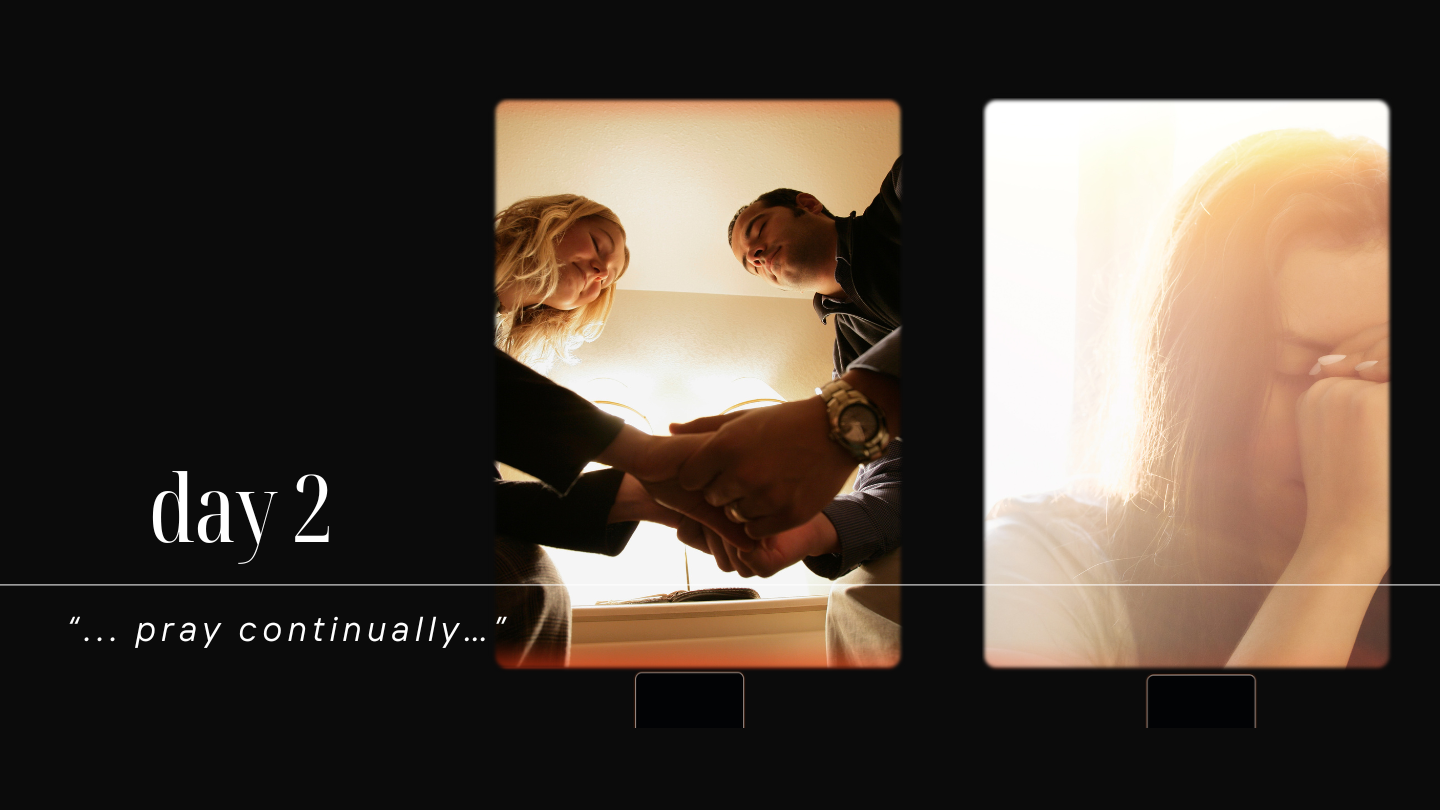
“… pray continually…”
Arguments and disagreements are a part of every relationship. They’re not signs of failure but opportunities for growth. But it’s important to handle these moments with grace and patience, ensuring our actions reflect Christ’s love. So, how do you fight fair, especially when you’re in the heat of the moment? You’ve got to pray.
When tensions rise, our first instinct might not always be to do what Jesus would do. That’s why pausing to pray is essential.
Pray Before: If you know you’re about to have a conversation on a sensitive topic, get ahead of the game and pray together before you even start talking. Ask God for wisdom and patience as you navigate a tricky topic.
Pray During: If you find yourselves in the middle of an argument, it’s not too late to pause. Stop the conversation, take a deep breath, and pray. Ask God to calm your emotions and give you the words to speak with love. Instead of raising your voice or making accusatory statements, say something like,
- “Can we pause for a moment? I think we need to pray and ask for guidance before we continue.”
- “Let’s take a quick break and pray together. We need to keep our connection to each other and God more than we need to win this argument.”
- “Before we say anything else, could we stop and pray? I want us to approach this conversation with love and understanding, not frustration.”
While doing this might not come naturally at first — and it might also feel uncomfortable in the heat of the moment — it will make a difference.
When we stop to pray, we remind ourselves that God is with us, even in our disagreements, and that He can help us handle the situation. Prayer also has a way of calming us down, helping us approach the disagreement with a clearer mind and a softer heart. No wonder the Bible tells us to pray continually. Prayer is powerful, and it works.
Day 3
Scripture: Proverbs 18:13

Practical Tips for Fighting Fair
Proverbs 18:13
“To answer before listening—that is folly and shame.”
Communication is at the heart of any strong relationship, but it’s not just about making sure you’re heard. It’s equally important to listen — truly listen — to what your partner has to say. So, how do you fight fair, especially when you’re in the heat of the moment? Continue with active listening.
Active listening is an art. It requires us to fully concentrate, understand, remember what is being said, and then respond. In moments of disagreement, this skill is key because it can transform arguments into opportunities for growth.
Active listening requires you to listen without interrupting. It’s tempting to start formulating your response or interrupt when you disagree with a point. However, true understanding comes from listening fully until your partner is finished speaking.
What does this look like practically?
Imagine your partner is expressing frustration about feeling overburdened with responsibilities. Instead of jumping in with your own grievances or dismissing their feelings, you might say, “I hear you saying you’re feeling overwhelmed with everything on your plate. What can I do to help?”
Or if they’re upset about something you’ve done, resist the urge to immediately defend yourself or explain away the problem. Listen attentively, then respond with, “I understand why that upset you. I hadn’t looked at it that way before.”
Practicing active listening in this way does a few really important things, especially when you’re in the middle of a heated conversation:
- It validates your partner’s feelings: Simply feeling heard can diffuse much of the tension in a disagreement.
- It promotes understanding: Often, conflicts are based on misunderstandings that clear communication can resolve.
- It strengthens your relationship: By showing you value your partner’s thoughts and feelings, you build trust and intimacy.
Remember, to fight fair, you must really listen to your partner. Pay attention not just to the words being said but also to the emotions behind them. Respond with empathy and understanding. This Biblical approach to communication can turn potential conflicts into moments of connection and understanding, bringing you closer together.
Day 4
Scripture: James 1:19

Practical Tips for Fighting Fair
James 1:19
“My dear brothers and sisters, take note of this: Everyone should be quick to listen, slow to speak and slow to become angry.”
Conflicts and disagreements can challenge us, but they also offer a path to deeper understanding and stronger connections. So, how do you fight fairly, especially when you’re in the heat of the moment? Express your feelings with “I” statements.
In the midst of an argument, it’s easy to point fingers and place blame. However, this usually only makes the situation worse. The Bible teaches us to be mindful of how we speak, guiding us toward peaceful and constructive communication. A practical way to apply this wisdom is by using “I” statements.
How do you do that?
Share your feelings by starting your sentences with “I.” This shifts the conversation from blaming to understanding. For example, instead of saying, “You never listen to me,” try, “I feel unheard when I share my thoughts and they’re not acknowledged.”
Or, if you feel neglected because your partner spends too much time on their phone, avoid saying, “You’re always on your phone!” Instead, express, “I feel a bit lonely when a lot of your time at home is spent on your phone. I’d love for us to spend more quality time together.”
When you use “I” statements, you can get the same point across without your partner feeling attacked or blamed because it focuses on feelings rather than accusations. So, instead of putting your partner on the defensive, it invites them to see things from your perspective. By expressing your feelings openly and honestly, you’re laying the groundwork for constructive dialogue.
If you’re not used to using “I” statements, it can take some getting used to. So, start practicing! You don’t have to be in a fight to communicate in this way. Begin incorporating “I” statements into your everyday conversations. Whether you’re sharing how your day went, expressing appreciation, or discussing future plans, using “I” statements can help create a habit of open and respectful communication. Over time, you’ll find that this approach not only makes conflicts easier to manage but also enriches your relationships with deeper understanding and empathy.
Day 5
Scripture: Colossians 3:13

Practical Tips for Fighting Fair
Colossians 3:13
“Bear with each other and forgive one another if any of you has a grievance against someone. Forgive as the Lord forgave you.”
While misunderstandings and disagreements are inevitable, they don’t get the final say. So, how do you fight fairly, especially when you’re in the heat of the moment? Never underestimate the power of forgiveness.
Forgiveness is not just an act of letting go of grievances; it’s a pathway to healing and understanding. It requires strength, humility, and compassion.
Seek Forgiveness: If you realize that your actions or words have hurt your partner, take the courageous step to seek their forgiveness. Acknowledge your mistake and express your sincere regret.
Be Open to Forgiveness: On the other hand, if you are the one who’s been hurt, allow your partner the opportunity to apologize. Listen to their apology with an open heart and be ready to forgive.
Forgiveness is one of the most important aspects of fighting fair because we all make mistakes. We all say things we shouldn’t and need grace to move forward together. As Christians, we are called to forgive, just like Christ forgave us.
Practicing forgiveness is so powerful. It starts the process of healing. When you can admit your mistakes, you’re showing your partner you’re committed to making things right. When you accept their apology and extend forgiveness, you create an environment where your partner feels loved and accepted unconditionally.
All relationships — even those that are Christ-centered — will inevitably face challenging moments. Disagreements and misunderstandings are part of the human experience, and no relationship is exempt from them. However, how you navigate these challenges can significantly shape the course of your relationships. When you “fight fair” and approach conflicts with love and respect, you create an environment where you both feel heard, valued, and safe.