How do you deal with hurt in your life? In this Plan, we will explore how hurt affected the relationship between King David and his son Absalom. Let us journey together towards healing and restoration from hurt over the next seven days.Anina Mc Arthur
Day 1
Scriptures: 2 Samuel 13:1-20, Proverbs 4:23
THE STRUGGLE IS REAL
The starting point for talking about hurt is to accept that it is a very real part of life. Being a Christian doesn’t exempt us from getting hurt. Neither does it expect us not to feel the effects of hurt in our lives.
In 2 Samuel 13, we read the tragic story of a family hit by hurt. Amnon, King David’s son, became so obsessed with his half-sister, Tamar, that he raped her. I can’t imagine the amount of hurt captured in this one sentence. Tamar’s life was ruined (v. 20), and David ended up losing two sons (v. 29; 2 Samuel 18). But It is Tamar’s brother Absalom’s experience of the tragedy that teaches us a lot about dealing with hurt.
When Absalom heard what happened to Tamar, he knew he had to be strong for his sister. He jumped in, trying his best to navigate an impossible situation. “Her brother Absalom saw her and asked, ‘Is it true that Amnon has been with you? Well, my sister, keep quiet for now, since he’s your brother. Don’t you worry about it.’ So Tamar lived as a desolate woman in her brother Absalom’s house” (2 Samuel 13:20, NLT).
But the problem with hurt is that it doesn’t just go away. I love this quote by an anonymous author: “You can close your eyes to the things you don’t want to see, but you can’t close your heart to the things you don’t want to feel.” Absalom’s story is a classic example of what happens when the hurt we feel starts spilling over from our hearts.
What feelings of hurt have penetrated your heart? Do you think that some of the struggles in your life may be rooted in a wounded heart?
Over the next few days, we will look a bit deeper into the hurt journey of Absalom and his family. And I pray that the Lord will open our hearts to healing and restoration from the effects of hurt in our lives. “Guard your heart above all else, for it determines the course of your life” (Proverbs 4:23, NLT)
Day 2
Scriptures: 2 Samuel 13:20-22, 1 Peter 2:21-25, Hebrews 12:14-15
SILENT SORES
Absalom’s reaction to his deep hurt is no different from how most of us still deal with hurt today. He kept quiet and buried it just deep enough for it to set root and grow until it took over his life completely.
The problem with buried hurt is that over time, it develops into resentment and bitterness, as in Absalom’s case. “And though Absalom never spoke to Amnon about this, he hated Amnon deeply because of what he had done to his sister” (2 Samuel 13:22, NLT).
I wonder if we should change the word “though” in the previous sentence to “because”. Perhaps the whole family tragedy would have turned out differently if Absalom confided in someone about his hurt. The hurt may have remained just that, hurt. But instead, it grew into a malignant state of hatred and bitterness that eventually found a way out.
Whether it takes days, months, or years, buried hurt spills over into our thoughts and actions. In Absalom’s case, it happened after two years of feeding the hurt (2 Samuel 13:23). Absalom’s thoughts were taken over by his hurt in such a way that he planned to kill his brother in front of his father. He invited his father and brothers to a feast where he intended to have Amnon killed in cold blood with everybody present (v. 23-28). What a dark place Absalom must have been in!
Many centuries later, Jesus also experienced hurt from all sides. His friends betrayed and denied Him in his darkest hours (Matthew 26; John 18). His own family turned their backs on his ministry (Mark 6). Eventually, his Father left Him alone to die for everybody’s sins (Mark 15:34). But He did not allow bitterness into his heart.
It seems ironic that Peter, who hurt Jesus by denying Him, should be the one who reminds us of Jesus’ victory over resentment and bitterness. “He did not retaliate when he was insulted, nor threaten revenge when he suffered. He left his case in the hands of God, who always judges fairly” (1 Peter 2:23, NLT).
What hurt are you experiencing today? What can you do to make sure that your heart is not taken over by bitterness?
Let us treat our wounds quickly by bringing them out in the open to heal. And let us create safe spaces where we can share our hurt before it sets root and grows. “Look after each other so that none of you fails to receive the grace of God. Watch out that no poisonous root of bitterness grows up to trouble you, corrupting many” (Hebrews 12:15, NLT).
Day 3
Scriptures: 2 Samuel 13:28-37, Ephesians 4:26
COLLATERAL DAMAGE
It doesn’t take a genius to know that Absalom’s plan was going to have a ripple effect. You don’t walk into a family gathering, kill your father, and walk out of there as if nothing had happened.
In Absalom’s case, things might have turned out much worse, but there was still some collateral damage. Fortunately, his father, King David, decided not to attend the feast (2 Samuel 13:25), and his brothers all fled instead of fighting back (v. 29). But due to a rumor that spread after the attack on Amnon, David received a horrific report that all his sons were killed. Imagine the shock and grief he must have felt! And the effects of Absalom’s revenge did not stop there.
Absalom was so consumed by hurt that he didn’t care who else suffered. Innocent bystanders could have been killed. His father or brothers could have made sure that justice was served by having him killed as well. And then his sister Tamar, whom he was trying to protect, would have lost her home and livelihood.
Let’s take another look at how Jesus responded to hurt. What would have happened if He did not consider the long-term effects of his actions? What collateral damage did Jesus consider when he was hurt by his closest friends? If Jesus had an emotional breakdown when Peter denied Him, Peter would most likely have been killed with Him (John 18). And if Jesus gave in to his hurt when Judas gave Him that fatal kiss of betrayal, He would have asked his Father to send some angels to rescue Him (Matthew 26). And we would be lost for all eternity.
In the same way, we often use our hurt to justify any behavior that may bring us some relief. No matter who else gets hurt in the process. We are too hurt to consider the long-term damage that our actions may cause. Our children pay the price when our hurt turns into divorce. Or our families are forever divided when we take offense.
Who else in your life is suffering for your hurt? Do you need to pause and reflect on some of your reactions to a hurtful situation from long ago?
Let us be cautious of collateral damage when we get hurt by others. Let us take time to consider the greater effects of our actions before we react. “Be angry [at sin – at immorality, at injustice, at ungodly behavior], yet do not sin” (Ephesians 4:26, AMP).
Day 4
Scriptures: 2 Samuel 13:37-39, Matthew 27:3-5, John 21:1-17, Hebrews 4:15-16
RUNNING AWAY AND STAYING AWAY
And then, when revenge didn’t take away the pain, Absalom did what most of us do when it gets too hard to face the hurt. He ran away. “Absalom fled to his grandfather Talmai, son of Ammihud, the king of Geshur. He stayed there in Geshur for three years” (2 Samuel 13:37-38, NLT).
The problem with running away from a hurtful situation is that nothing is resolved. It lingers and brings about many emotional reactions to the loss of a once-loving relationship. These reactions look similar to the denial, anger, and negotiation of a normal mourning process. But without reaching peaceful acceptance in the end. All parties are left with nothing but longing for what was and what could have been.
In David and Absalom’s case, both parties felt too hurt to face each other. Even though Absalom was the one who ran away, David couldn’t muster the strength to reach out to his son for three whole years. “And King David, now reconciled to Amnon’s death, longed to be reunited with his son Absalom” (2 Samuel 13:39, NLT).
Jump ahead to the New Testament again. Hiding away from a hurtful situation made the difference between death and a much greater new life in Christ. After Judas betrayed Jesus, he couldn’t imagine ever coming out of hiding again. “Then Judas threw the silver coins down in the Temple and went out and hanged himself” (Matthew 27:5, NLT).
But Peter knew that there was healing available in Christ. The first time he saw Jesus after He was raised from the dead was an emotional event (John 21). Peter didn’t shy away. He jumped (literally) at the chance to see Jesus (v. 7). He was able to put his pain of failure and humiliation aside for a moment for any chance to restore their relationship. And Jesus also didn’t pretend. He asked Peter three times if he really loved him (v. 15-18). Even though “Peter was hurt,” he persevered through the pain. And what amazing ministry awaited him!
Which hurtful situation are you hiding from? What is holding you back from making contact with a loved one who hurt you? How would they react to a bold move from your side?
Let us find courage to face our hurts by the grace of Christ who is waiting to help us in every weakness. “So let us come boldly to the throne of our gracious God. There we will receive his mercy, and we will find grace to help us when we need it most (Hebrews 4:16, NLT)
Day 5
Scriptures: 2 Samuel 14:19-24, Matthew 5:21-26, Psalms 139:23-24
HURT + HURT = HURT
Let us give King David some credit today. After listening to some wise counsel, he decided to break the hurtful silence between Absalom and himself (2 Samuel 14). With some terms and conditions attached.
David wasn’t willing to let go of the hurt completely. He was ready to forgive Absalom but also wanted to make sure that his hurt was not forgotten. He arranged for Absalom to be brought back to Jerusalem, but there was a condition. “But the king gave this order: ‘Absalom may go to his own house, but he must never come into my presence.’ So Absalom did not see the king” (2 Samuel 14:24, NLT). Say what?!
David’s halfhearted attempt at reconciliation just made the situation worse. I can think of few things as painful as being within walking distance of someone you love, but being told that they didn’t want to see you.
Jesus gets straight to the point again centuries later. In Matthew 5, Jesus explains the snowball effect that happens when anger and hurt are left to linger. Anger becomes hatred; hatred becomes murder, and murder becomes life in hell (v. 22). Unsettled differences quickly grow out of hand, and we end up in heart prisons that we have created for ourselves (v. 25-26).
Wholehearted surrender of hurt is so important to Jesus that He would give up our worship for it. “So if you are presenting a sacrifice at the altar in the Temple and you suddenly remember that someone has something against you, leave your sacrifice there at the altar. Go and be reconciled to that person. Then come and offer your sacrifice to God” (Matthew 5:23-24, NLT).
Is there a hurtful situation in your life that has left some debris behind? How is that little piece of leftover hurt affecting your life?
Let us ask God to show us the places in our hearts that still need to be cleaned out from hurt. And let us follow his lead towards peace and freedom. “Search me, O God, and know my heart; test me and know my anxious thoughts. Point out anything in me that offends you, and lead me along the path of everlasting life” (Psalms 139:23-24, NLT).
Day 6
Scriptures: 2 Samuel 15:10-12, Matthew 18:21-22, Luke 6:27-36
I CAN HURT YOU BETTER
So David put a thin plaster over the wound. Absalom could stay in Jerusalem, but the hurt would stay intact (2 Samuel 14). Patching over hurtful situations is not only ineffective, but it often also makes things worse.
At some point in a hurtful situation, one or both parties decide that it’s time to move on. In this case, it was Absalom. And in the same way as what happens to most of us, the unhealthy ways Absalom chose to put the whole thing behind him, spilled over into his actions.
David and Absalom started seeing each other again (v. 33), but the long years of hurting have taken their toll. Absalom was ready to move on. And he was moving on towards the palace. The Bible’s account of Absalom’s revenge is a lengthy and painful affair (2 Samuel 15 – 17). He “stole the hearts of all the people of Israel” to join his conspiracy against the king (15:6, NLT), slept with David’s concubines (16:22), and sent an assassin to kill his father (17:4). How sad!
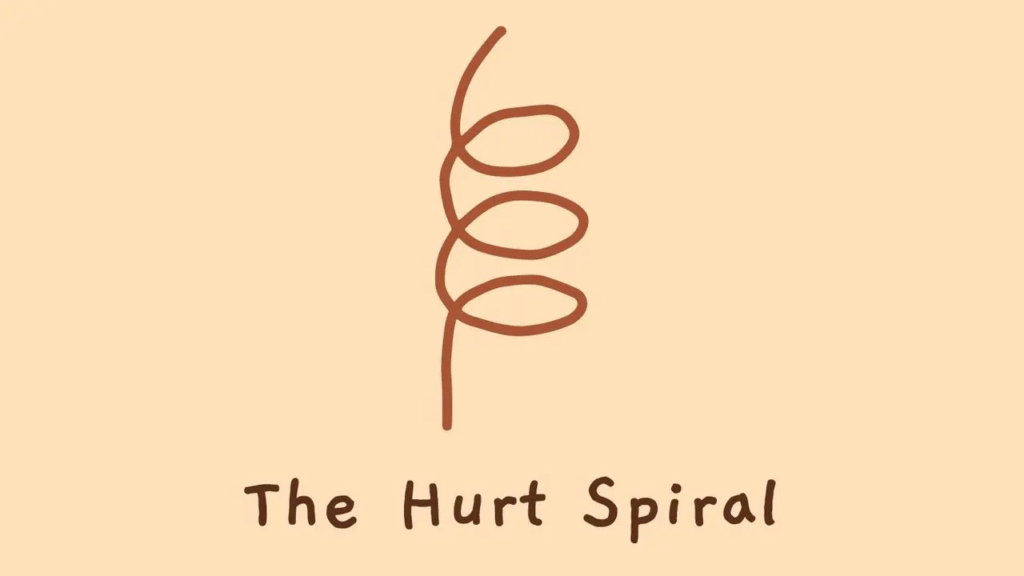
By this time, we can barely remember where David and Absalom’s hurt spiral started. But it was now out of control, destroying everything in its path.
Again, Jesus warns us against the cumulative effect of nurtured hurt. In Matthew 18, Peter asks Jesus a question that I believe Absalom would have related to. “‘Lord, how often should I forgive someone who sins against me? Seven times?’” (v. 21, NLT). At what point do we draw the line and let the hurt take its natural course? Never. “‘No, not seven times,’ Jesus replied, ‘ but seventy times seven!’” (v. 22).
The only way to prevent destruction like what happened in David and Absalom’s lives, is to stop the hurt spiral. Anywhere along its way.
Do you find yourself in an accelerating spiral of hurt? What would it take from you to stop the devastation?
Let us recognize the damage that our past hurts are causing in our lives. And let us take the first step to stop the spiral. “‘Bless those who curse you. Pray for those who hurt you’” (Luke 6:28, NLT).
Day 7
Scriptures: 2 Samuel 18:19-33, 1 John 3:11-24
PLEASE DON’T LET ME BE MISUNDERSTOOD
David and Absalom’s story of hurt is no different than what many of us experience in our relationships. And when all is said and done, we often end up in disbelief about how everything could have gone so wrong. We often realize too late that all the hurt resulted from greatly misunderstanding each other.
In David’s case, he never stopped loving his son (2 Samuel 18). And I am sure things would have turned out differently if Absalom understood that. But it was too late. Their story was heading to a climax with father in son in war against each other. David’s misunderstood love for his son remained just that: love for a son who couldn’t see it. “And the king gave this command to Joab, Abishai, and Ittai: ‘For my sake, deal gently with young Absalom’ (v. 5, NLT).
When the conflict finally ended in the death of Absalom, all that remained were regrets and unfulfilled dreams. “During his lifetime, Absalom had built a monument to himself in the King’s Valley, for he said, ‘I have no son to carry on my name’ (2 Samuel 18:18, NLT). And for David: “‘ O my son Absalom! My son, my son Absalom! If only I had died instead of you! O Absalom, my son, my son’” (v. 33, NLT).
During his ministry, Jesus encouraged us many times to make sure that we display our love in such clear ways that no one doubts our intentions. “We know what real love is because Jesus gave up his life for us. So we also ought to give up our lives for our brothers and sisters” (1 John 3:16, NLT).
What action is required in your life to turn a hurtful situation around? What scary step may you need to take to be free of hurt?
Let us follow the example of Jesus, who proved his love for us by taking action. And let us remember the countless actions He takes every day to bring our hearts nearer to Him. “Dear children, let’s not merely say that we love each other; let us show the truth by our actions. Our actions will show that we belong to the truth, so we will be confident when we stand before God” (1 John 3:18-19, NLT).